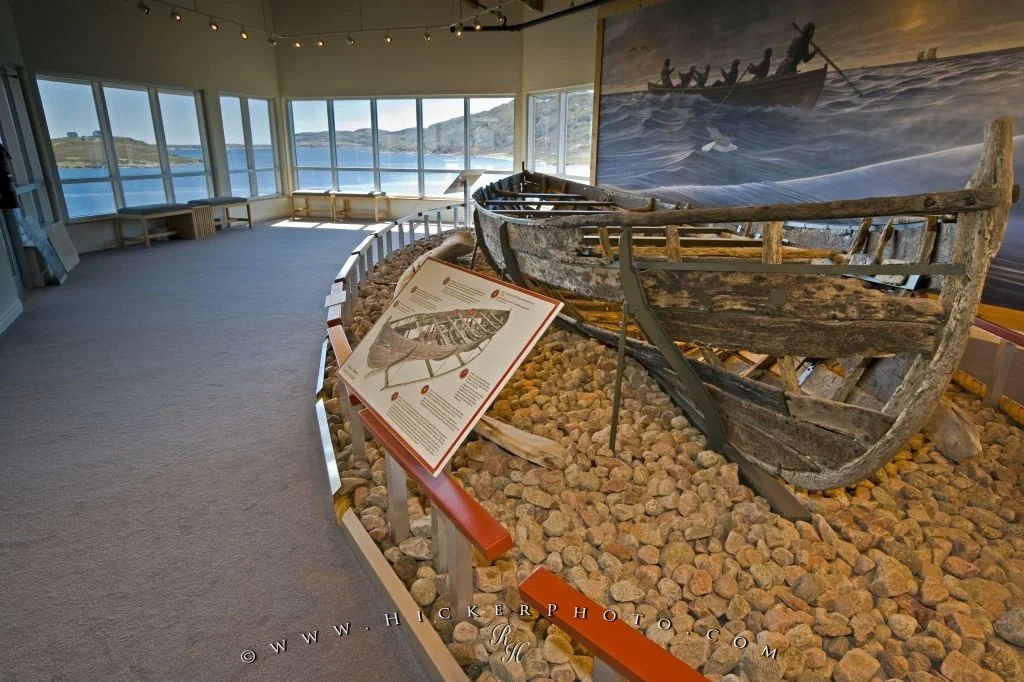
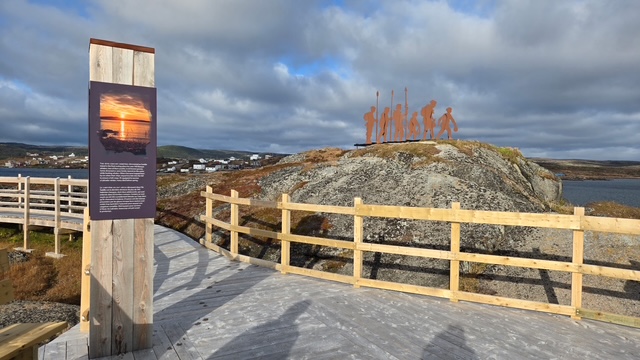
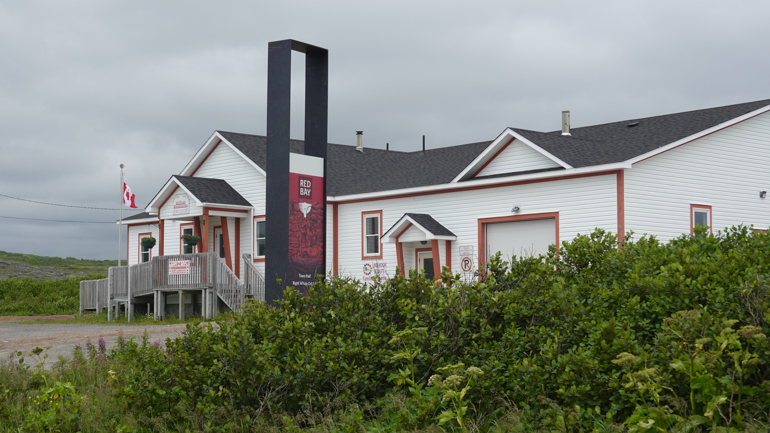
Red Bay is a small coastal community on the southern Labrador coast with a remarkable history dating back more than four centuries. It is best known as one of the most important early Basque whaling stations in North America. Beginning in the 16th century, Basque whalers travelled across the North Atlantic to the waters off Labrador, where they established seasonal settlements dedicated to hunting right and bowhead whales and processing their valuable oil.
Pre-1500s: Before European Settlement
Long before European whalers and settlers arrived, Labrador was home to Indigenous peoples for thousands of years. The Innu, the Inuit, and their ancestors lived along these coasts and inland regions, developing rich cultures deeply connected to the land, sea, and seasons. They hunted, fished, and travelled throughout the region for millennia, and their enduring presence and traditions remain an essential part of Labrador's heritage.
1500-1600: The Basque Whaling Era
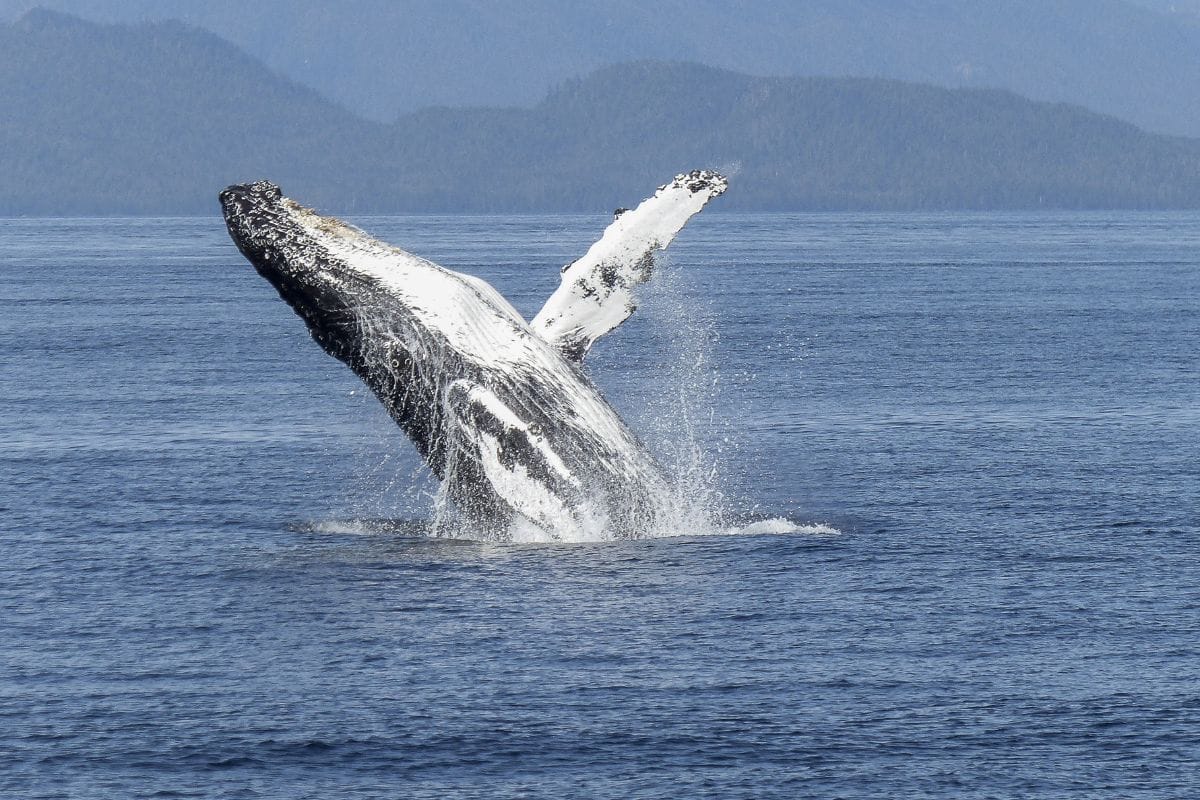
During the 16th century, Basque whalers from Spain and France established a major whaling station at Red Bay, making it one of the most important whaling ports in the world. At its peak, the station processed whale oil that lit the lamps of Europe. Archaeological evidence reveals a sophisticated industrial operation with tryworks, cooperages, and settlement structures.
1600-1700: Decline and Abandonment
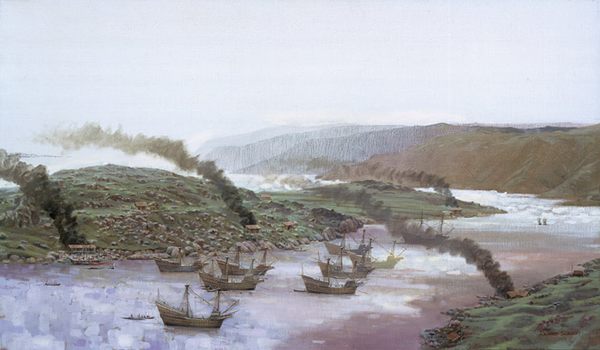
By the early 1600s, the whale populations had been depleted and the Basque whaling industry collapsed. Red Bay was gradually abandoned as whalers moved to new hunting grounds. The site fell into obscurity, leaving behind remnants of buildings, sunken ships, and artifacts that would remain hidden for centuries.
1700-1800: Indigenous and European Contact
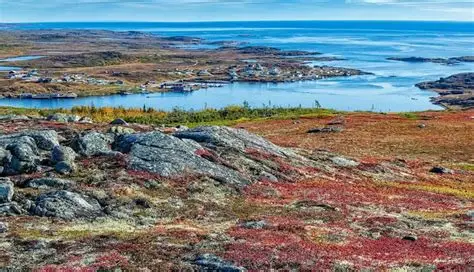
Throughout the 18th century, the area saw sporadic visits from European fishermen and ongoing use by Indigenous peoples. The strategic location along the Labrador coast made it an important landmark for maritime navigation, though permanent settlement remained minimal.
1800-1900: Settlement and Development
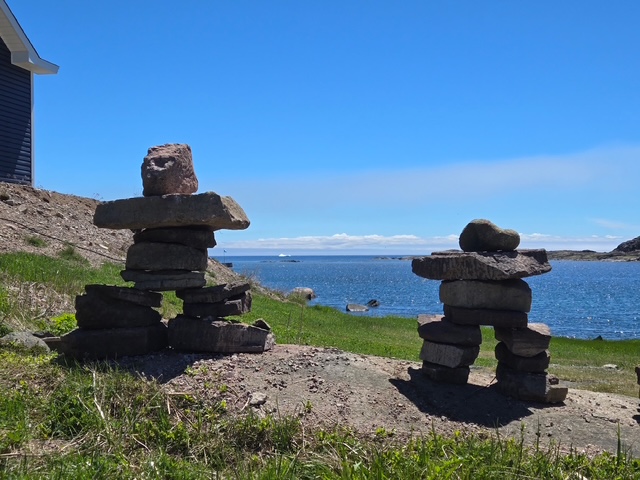
The 19th century brought new permanent settlers to Red Bay. Fishing families established themselves in the area, developing the community that exists today. The region became known for its cod fishery and seal hunting, with small-scale operations replacing the industrial whaling of centuries past.
1900-Present: UNESCO Recognition
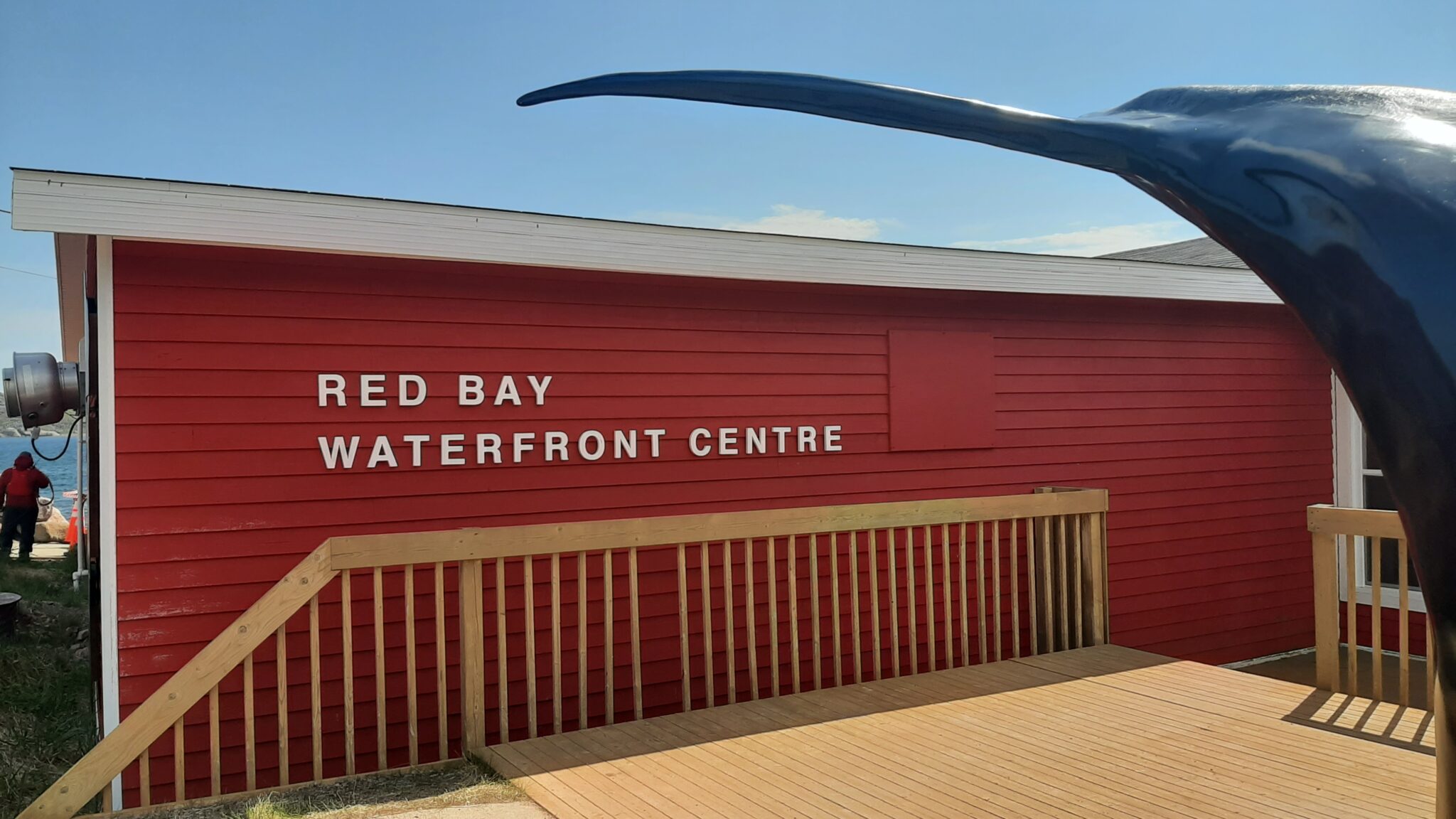
Archaeological investigations in the 1970s and 1980s uncovered the remarkable preservation of the Basque whaling station. In 2013, Red Bay was designated a UNESCO World Heritage Site, recognizing its global significance. Today, it attracts visitors from around the world who come to explore this unique window into 16th-century maritime history.